Saudi drone thermal inspection offers an efficient, safe method for monitoring solar panels, oil pipelines, and industrial assets without disrupting critical operations. These technologies reduce inspection time from weeks to hours, boosting operational efficiency and supporting Saudi Vision 2030 goals through precise, documented thermal reporting.
When a single solar panel fails or a pipeline begins to leak heat undetected, every day of delay results in direct production losses. Traditional inspection methods are slow, expensive, and often miss hidden thermal defects. In this article, you will learn how drone thermal inspection identifies these issues in record time with unmatched precision, and why it has become a cornerstone for protecting industrial and energy assets in the Saudi market.
What is Drone Thermal Inspection and Why Does it Matter in Saudi Arabia?

As solar projects accelerate under Vision 2030 and oil and gas networks span thousands of kilometers across Saudi Arabia, the need for fast, accurate inspection tools is more urgent than ever. Drone thermal inspection is the practical solution to this challenge.
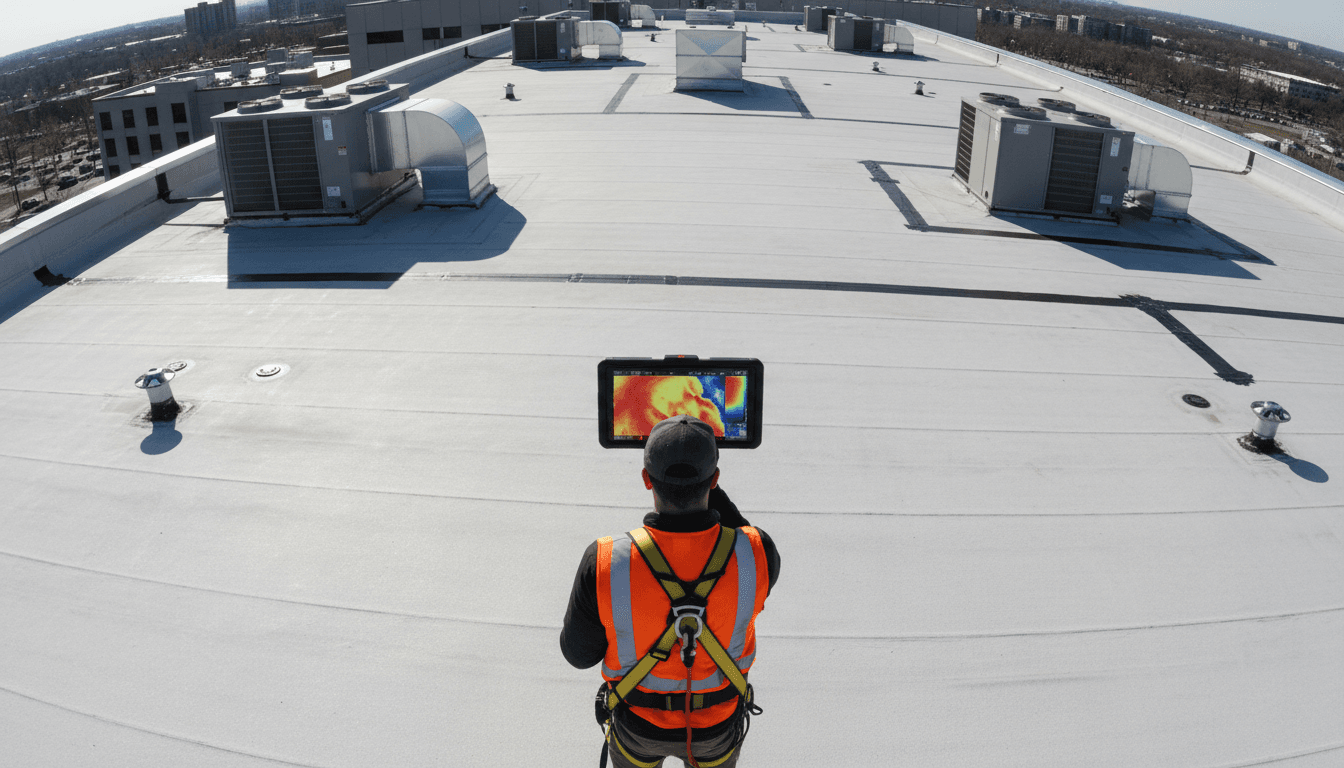
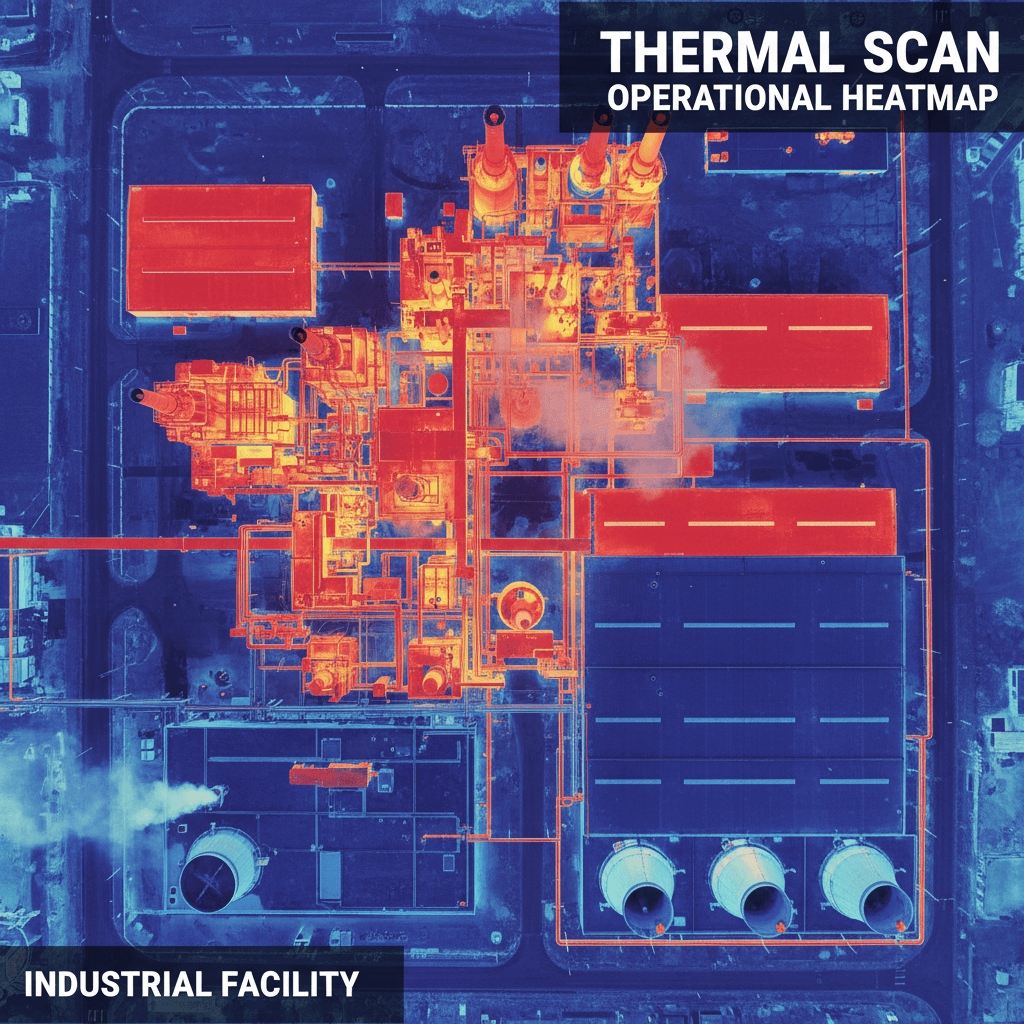
The principle is simple: a drone equipped with a radiometric thermal camera flies over the asset, capturing infrared radiation. Every pixel in the image contains a measurable temperature value, rather than just a relative color gradient. This is a critical distinction: radiometric cameras output a full data file for every pixel, allowing engineers to generate documented reports with actual temperatures to guide maintenance decisions.
Defects that remain invisible to the naked eye—such as thermal leaks, degraded connections, and internal damage—appear clearly in the thermal spectrum. Practically, a single drone can inspect over one megawatt of solar panels in approximately 10 minutes, completely transforming industrial maintenance.Radiometric Thermal Drone Inspection Services.
Drone Thermal Inspection for Solar Panels: Detecting Faults Before They Cost Millions

What is happening inside a defective solar panel that the eye cannot see? Drone thermal inspection answers this question with a level of precision previously unavailable to solar farm operators in Saudi Arabia.
A drone equipped with a radiometric camera flies over rows of panels, recording their thermal signature unit by unit. Defects that drain daily production go unnoticed visually but stand out clearly in the thermal spectrum:
Hotspots:Cells acting as electrical loads instead of power sources, producing localized high heat that gradually weakens adjacent panels.
Bypass Diode Failure:Causes entire strings of panels to fail, leaving a distinct thermal signature at the module level.
Cracked Cells and Internal Fractures:Invisible in standard light, these generate a clear thermal delta that can exceed 10°C in some cases.
Soiling and Contamination:Creates irregular shading that reflects in temperature variations, identifying areas of production loss.
Delamination:Internal layer separation that alters heat transfer, appearing as cold or hot spots depending on operating conditions.
Manually inspecting a 100MW farm requires multiple teams and weeks of work, often involving partial shutdowns. A drone completes the same task in hours without a single shutdown, delivering a full thermal map and a documented report that prioritizes maintenance needs.
Precision is non-negotiable: inspections must occur during peak solar irradiance, typically near midday when irradiance exceeds 600 W/m², as thermal differences are most pronounced and analyzable. Majed Aerial Solutions adheres to these strict windows when scheduling operations.
With rising investment in solar projects to reach a 50% renewable energy mix under Vision 2030, and massive infrastructure projects like NEOM, routine inspection is no longer a luxury—it is a fundamental requirement for maintaining production efficiency and protecting long-term investment.
Oil and Gas Pipeline Inspection: From Two Weeks to Four Hours
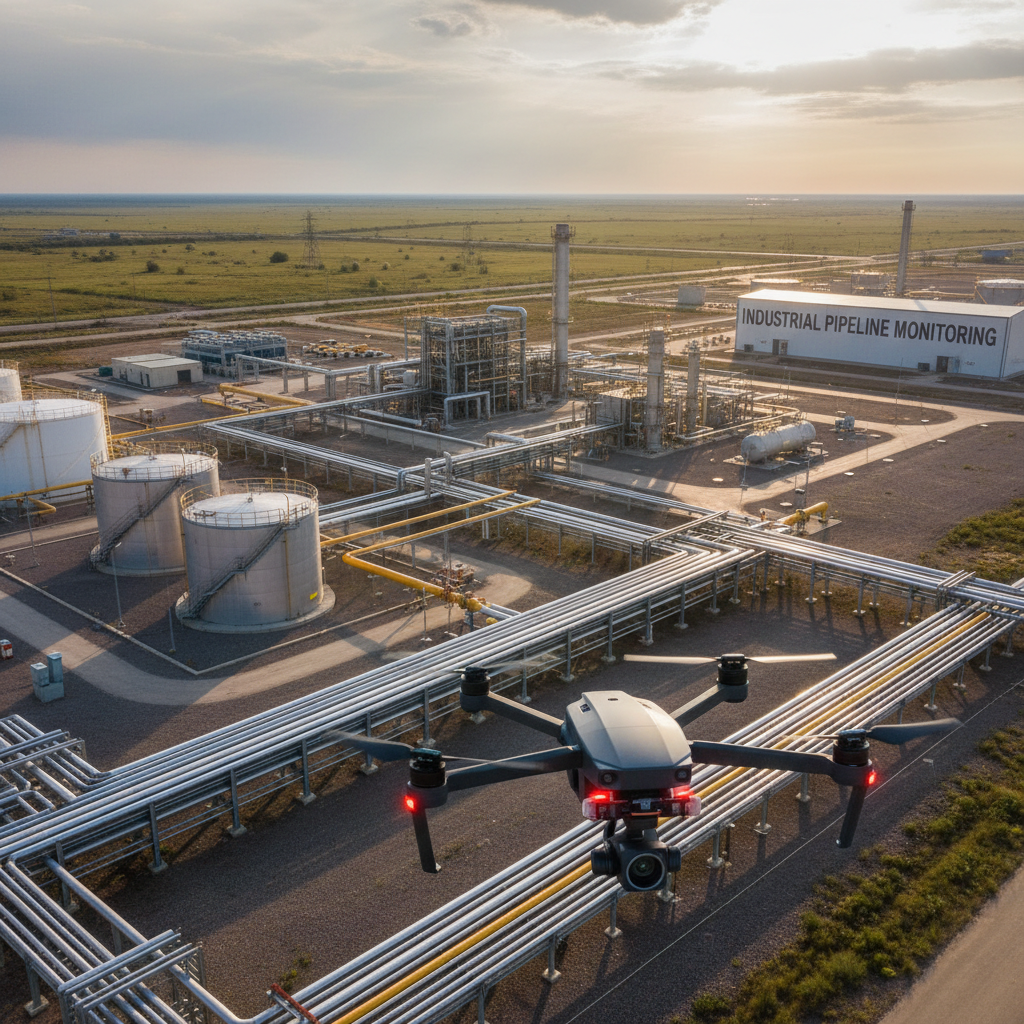
What used to take two full weeks of field work can now be completed by a thermal drone in four hours. This isn't marketing hyperbole; it is the direct result of the technology: a drone flies at a low altitude over the pipeline at a steady speed, recording a continuous thermal signature without the need to stop pumping or deploy ground crews.
Radiometric thermal cameras detect three types of issues that cannot be spotted visually: thermal leaks from gas or liquid escaping the pipe wall, corrosion zones where surface temperatures shift due to wall thinning, and internal cracks that generate a unique thermal signature. All these indicators are documented in a georeferenced thermal map with precise GPS coordinates.
The most significant advantage for Saudi infrastructure operators is the ability to conduct full inspections during active operation with zero production downtime. In an environment where pipelines span remote deserts and rugged terrain, drones eliminate the need to send human teams into hazardous locations, reducing workplace accidents by up to 91% according to industry data.
There is also a direct environmental benefit: early detection of methane leaks can reduce emissions by 30% or more, aligning with the Kingdom's sustainability commitments under Vision 2030. For more on our service areas, see Drone Service Regions in Saudi Arabia.
Other Industrial Assets Inspected via Thermal Drone in Saudi Arabia
While solar and oil & gas receive the most attention, the scope of drone thermal applications is much broader. Any industrial asset that generates a thermal signature during operation is a candidate for radiometric inspection, including several vital sectors.
Power Lines and High-Voltage Towers:Loose connections and degrading transformers generate distinct heat spots before a failure occurs. Drones inspect hundreds of towers in a single day without requiring line shutdowns or manual climbing.
Industrial Buildings and Warehouses:In Riyadh’s climate, where summer temperatures exceed 45°C, insulation failure and air conditioning leaks represent a constant energy loss. Thermal cameras pinpoint defects in facades and roofs with pixel-by-pixel accuracy.
Desalination Plants:Rotating mechanical equipment like pumps and heat exchangers change their thermal signature as they degrade. Periodic drone monitoring enables the detection of these faults before a costly emergency shutdown.
Telecommunications Towers:Electronic equipment mounted at height can be inspected thermally from the air without deploying climbers, reducing maintenance time and eliminating high-altitude work risks.
This versatility makes industrial drone inspection in Saudi Arabia a horizontal tool serving multiple sectors through a single, unified methodology.
Radiometric Thermal Inspection vs. Traditional Methods: A Practical Comparison
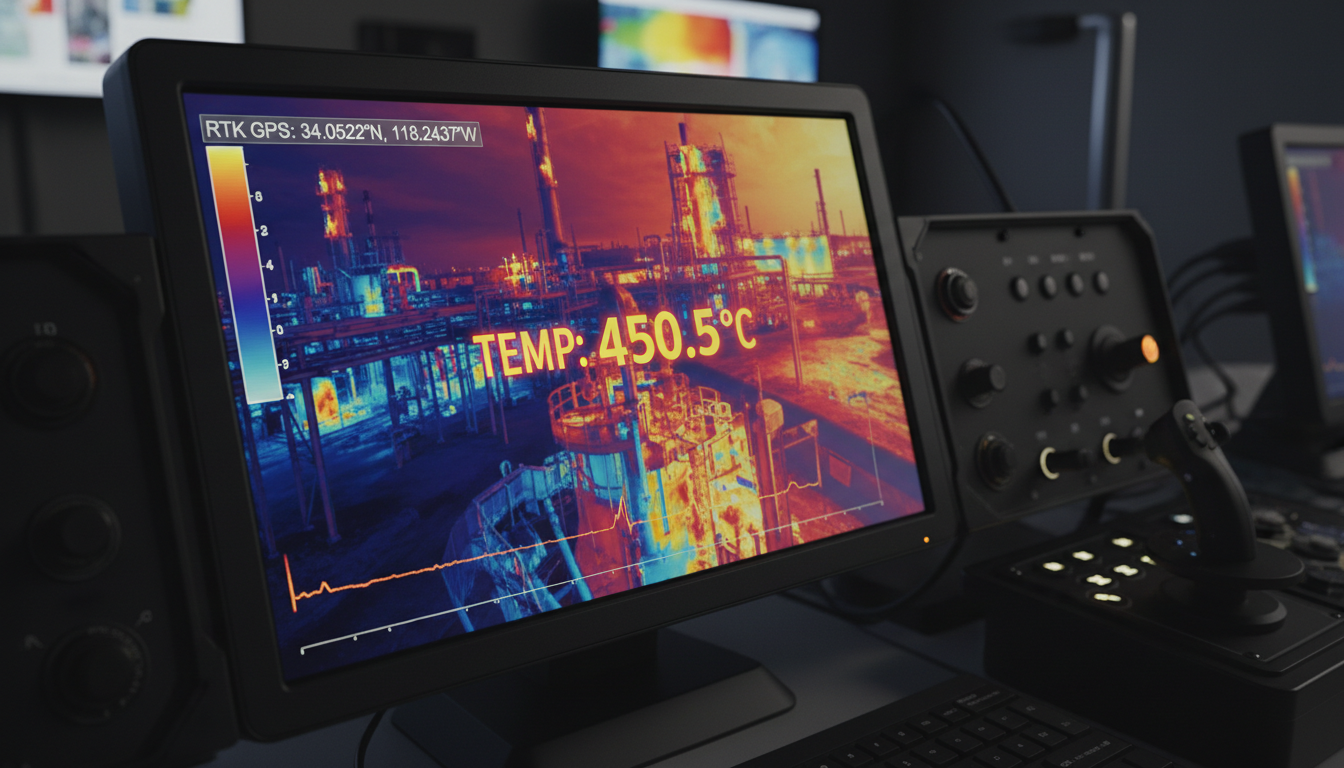
While drone thermal inspection is often compared to traditional methods, the core difference lies not just in the tool used, but in the type of data produced. Before comparing the two, it is important to distinguish between types of thermal cameras.
Standard thermal cameras produce a colored image showing relative heat differences without recording actual values. Radiometric cameras are fundamentally different: every pixel carries an absolute temperature value stored in an analyzable data file. This allows engineers to extract precise readings for any point on the asset and compare them against historical data or manufacturer specifications. This is the standard deliverable Majed Aerial Solutions provides.
Comparison Metric | Drone Thermal Inspection | Traditional Inspection |
|---|---|---|
Speed | Hours for hundreds of assets | Weeks for a single large asset |
Total Cost | 50% to 70% lower | High due to labor and equipment |
Safety | No human exposure to hazardous zones | Climbing and proximity to live equipment |
Data Accuracy | Full radiometric data for every pixel | Sparse, individual point readings |
Live Inspection | Possible without shutdown | Usually requires production downtime |
The practical result of full radiometric data is proactive maintenance reporting that identifies faults before they escalate. These reports are tied to precise GPS coordinates and are comparable across multiple inspection sessions to monitor the progression of any defect over time. This level of documentation is impossible to achieve with manual point readings, regardless of the device used.
GACA Licensing and Legal Compliance: Why Choosing a Licensed Operator in Saudi Arabia Matters

The precise radiometric data produced by an inspection flight has no legal standing if collected by an unlicensed operator. This is a critical point often overlooked when comparing quotes.
The General Authority of Civil Aviation (GACA) strictly regulates all commercial drone operations in Saudi Arabia. While commercial drone use is permitted, it requires a certified operator license, aircraft registration, and airspace permits for every operation. Operators who bypass these requirements expose themselves and their clients to direct legal consequences. Furthermore, data collected illegally is often rejected by regulatory bodies and insurance companies.
Majed Aerial Solutions is GACA-licensed and operates in full accordance with local regulations. This means our thermal inspection reports carry the necessary accreditation for use with regulators, insurers, and financiers.
The deeper advantage of choosing a GACA-licensed drone operator in Riyadh is their field experience within Saudi airspace: understanding regional restrictions around sensitive facilities, coordinating with relevant authorities, and accelerating permits in complex locations like industrial zones or the Eastern Province. This translates directly to simpler scheduling and faster execution.
Thermal Drones and Vision 2030: A Technical Partner for the Saudi Future Economy
Legal compliance is not just an administrative requirement; it reflects the scale of industrial expansion in the Kingdom, making drone thermal inspection an indispensable operational pillar.
Vision 2030 aims for renewable energy to constitute 50% of the energy mix by the end of the decade. This translates to hundreds of solar farms across the Kingdom, each requiring periodic thermal inspection to maintain efficiency. Without this, returns are gradually eroded by undetected faults.
NEOM projects, from Sindalah to OXAGON, involve complex power grids and infrastructure in challenging environments where traditional inspection is logistically expensive. Simultaneously, the petrochemical sector continues to expand, increasing the demand for safe, rapid inspections that don't require costly production stops.
Riyadh’s central location makes it an ideal hub for covering industrial facilities in the Eastern Province and energy projects in the Western Region. To see our full geographic reach, please visit Drone Service Regions in Saudi Arabia.
How to Request Drone Thermal Inspection from Majed Aerial Solutions
Industrial infrastructure requires a technical partner that is geographically accessible and responsive. Working with Majed Aerial Solutions follows four practical steps:
Consultation and Site Identification:Whether it is a solar farm, pipeline, or industrial plant, we begin by defining the asset type, size, and location to estimate inspection time and permit requirements.
Optimized Scheduling:For solar farms, inspections are scheduled during peak sun hours (irradiance >600 W/m²) to ensure maximum thermal contrast. Other assets are scheduled based on specific operating conditions.
Execution Without Shutdown:The drone flies over the entire asset, recording continuous radiometric data without any interference to your operations.
Delivery of Documented Report:You receive a georeferenced thermal map, actual temperature readings, and maintenance recommendations prioritized by urgency.
Majed Aerial Solutions is based in Riyadh and provides nationwide coverage. For full details or to request an initial assessment, please visit our Radiometric Thermal Drone Inspection Services.
Drone thermal inspection is an essential tool for ensuring the efficiency of industrial assets and solar panels in Saudi Arabia, significantly reducing risk and increasing productivity. For accurate results backed by professional expertise and regulatory compliance, our specialized team is here to help. We invite you to explore our Thermal Inspection ServicesWe put our technical expertise at your service to enhance project sustainability and provide comprehensive insights for effective, data-driven preventive maintenance.