A thermal drone inspection Riyadh home buying procedure identifies hidden insulation gaps, moisture leaks, and thermal bridges that cause significant energy loss in Saudi properties. These advanced aerial surveys allow buyers to detect structural defects and AC inefficiencies before closing a deal; ultimately reducing long term cooling costs and ensuring a sound investment.
Purchasing a luxury villa in Riyadh is a significant investment, but the capital's extreme summer heat often masks structural inefficiencies that can lead to astronomical cooling costs. Conventional walkthroughs cannot see behind the plaster, leaving prospective buyers vulnerable to poor insulation or hidden thermal bridges. This is where sophisticated aerial technology becomes essential for due diligence. By utilizing radiometric thermal imaging, we can visualize heat transfer in real time, ensuring that your future home is as energy efficient as it appears. In this guide, we will explore how thermal drone inspections identify invisible flaws in Riyadh villas, compare these scans to traditional methods, and explain how data driven insights can significantly lower your long term AC expenses. You will also learn what to look for when selecting a licensed drone professional in Saudi Arabia to secure your investment.
Why Riyadh Home Buyers are Turning to Thermal Drone Technology
Riyadh experiences some of the most demanding environmental conditions on the planet, with summer temperatures routinely surpassing 45 degrees Celsius. For prospective homeowners or those planning a major villa renovation, the structural integrity of the property is only part of the story. The true long-term financial burden often lies in the cooling costs required to maintain a comfortable interior. While a mortgage is a fixed expense, a poorly insulated home creates a variable and often skyrocketing monthly liability through Saudi Electricity Company (SEC) bills.
Traditionally, home inspections in the Kingdom have focused on what the eye can see: aesthetic finishes, visible cracks, or plumbing leaks. However, the most significant energy leaks are invisible. This is why thermal drone inspection Riyadh home buying has emerged as a critical step in the due diligence process. By utilizing a radiometric thermal inspection from Majed Aerial Solutions, we can visualize the heat transfer occurring through a building’s envelope in real-time.
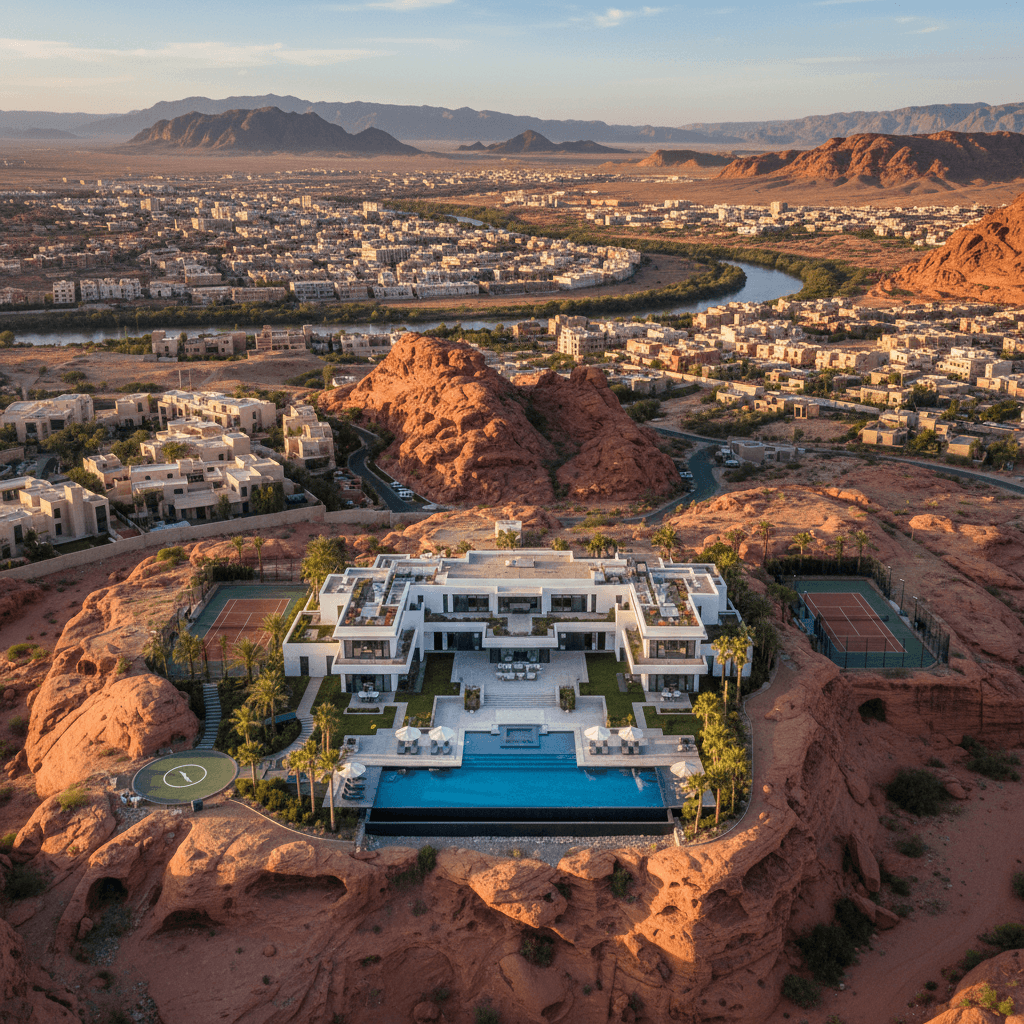
Unlike industrial surveys that focus on massive factories or power plants, our residential drone audits specifically target the unique construction of Riyadh villas. We identify exactly where heat is penetrating through concrete slabs, stone cladding, or unsealed roof joints. This technology allows buyers to identify thermal deficiencies that are impossible to detect during a standard walk-through. By capturing these data points, buyers can negotiate necessary repairs or budget for insulation upgrades before finalizing a purchase, transforming an invisible liability into a data-driven investment decision.
The Science of Radiometric Thermal Imaging in Residential Inspections
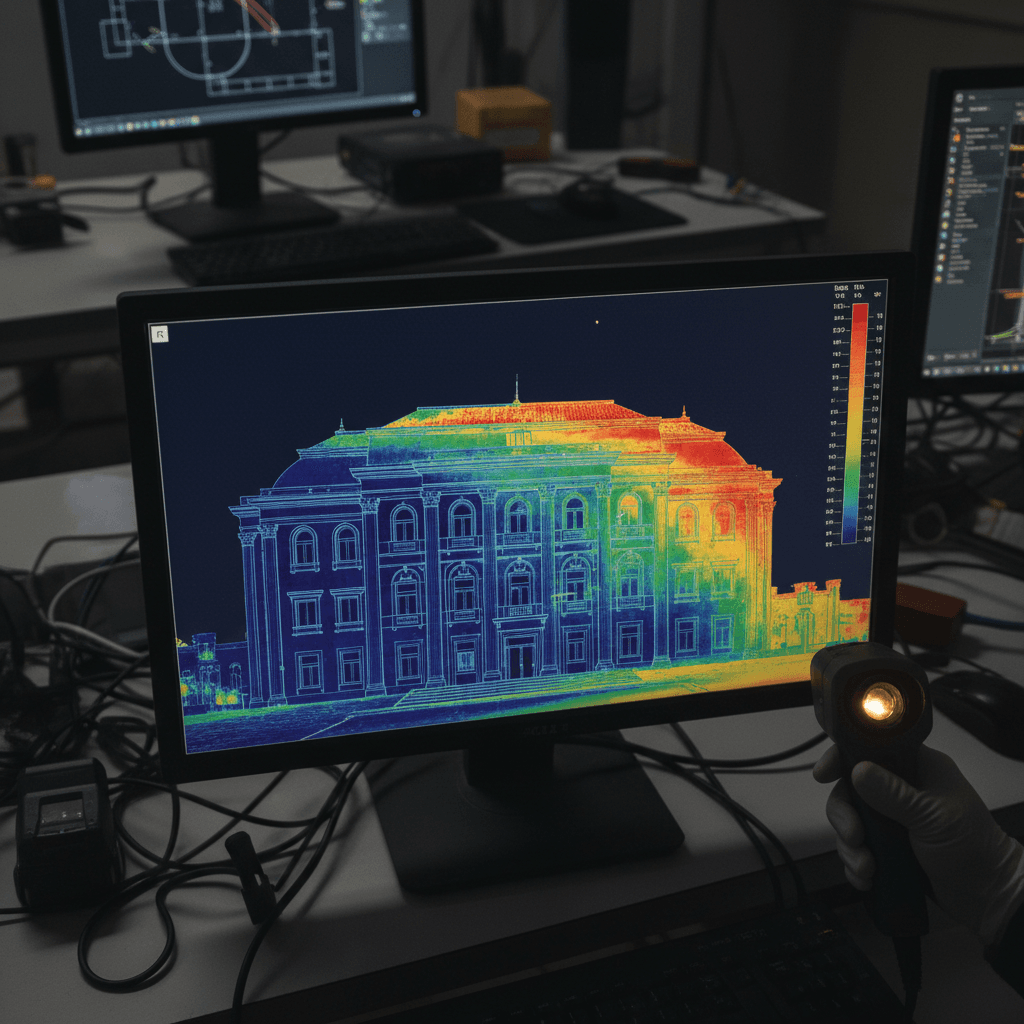
To understand why thermal aerial services are so effective, it is necessary to look at the technology behind the lens. Our drones utilize high-resolution FLIR (Forward Looking Infrared) sensors that detect long-wave infrared radiation emitted by the building’s surfaces. Unlike a standard camera that captures reflected visible light, these sensors measure the energy signatures of every surface they scan, converting invisible heat into a visible spectrum.
There is a fundamental difference between a basic thermal image and the radiometric thermal inspection data provided by Majed Aerial Solutions. A standard thermal photo shows relative heat differences through colors, but a radiometric map contains embedded temperature data for every single pixel. This allows our technicians to pinpoint the exact temperature of a specific point on a villa’s facade or roof with clinical precision. This data-driven approach to thermal drone inspection Riyadh home buying ensures that every assessment is backed by measurable thermodynamics rather than visual guesswork.
This technology is particularly adept at identifying "thermal bridges," which are areas of the building assembly that have higher thermal conductivity than the surrounding materials. In typical Riyadh construction, reinforced concrete frames and heavy stone cladding often act as conductors. If there is a break in the insulation layer or a structural bypass, these materials pull external heat into the interior structure. Our drones map the entire building envelope, highlighting these invisible pathways where heat bypasses the thermal barrier, providing a clear, objective assessment of how well a property resists the intense Saudi sun.
Five Hidden Insulation Problems Drones Detect in Riyadh Villas
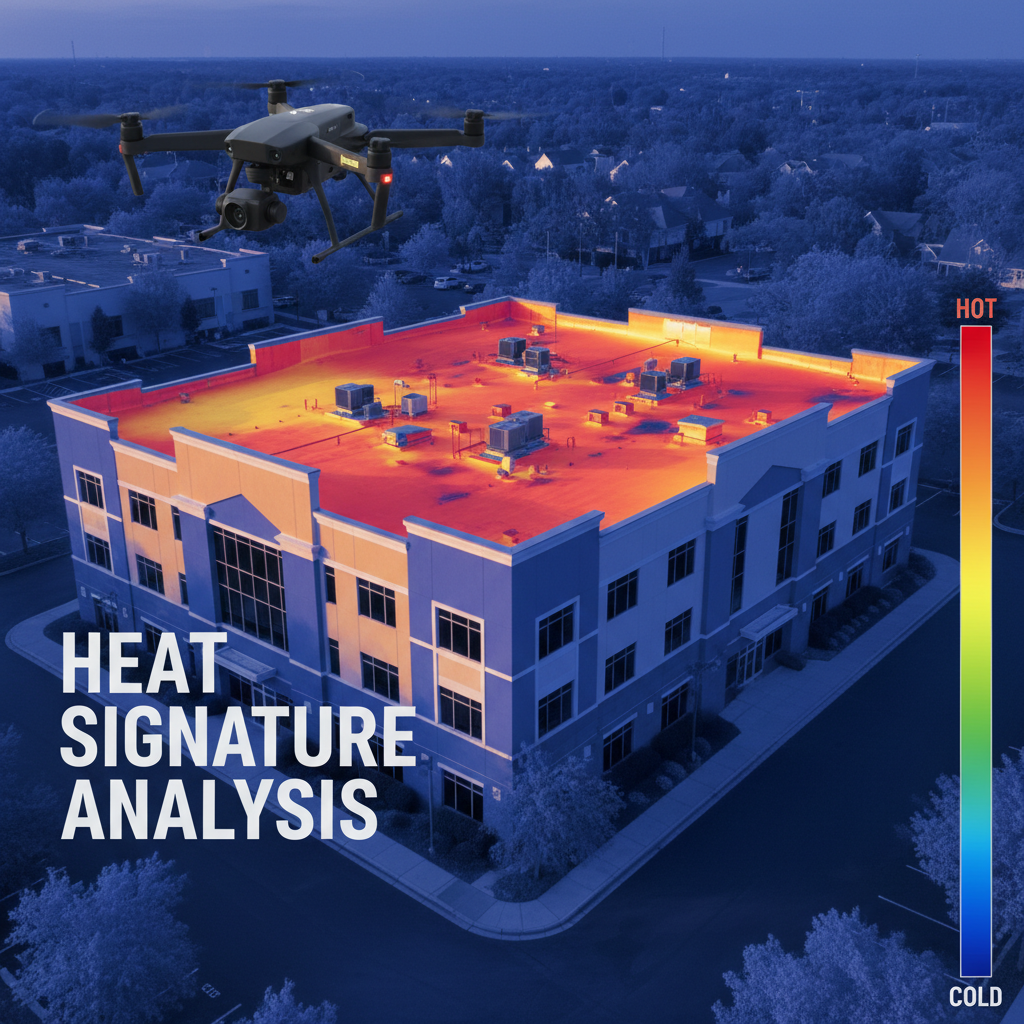
Our thermal drone inspection Riyadh home buying service focuses on five critical areas where insulation typically fails in local residential construction. By identifying these issues before the transaction is finalized, buyers can address structural thermal defects that are otherwise invisible until the first summer electricity bill arrives.
Roof Insulation Gaps: The roof receives the highest solar load in the Saudi climate. We often find significant gaps in the insulation layers beneath the roof tiles or along the parapet walls. These gaps allow the concrete slab to act as a thermal battery, storing heat throughout the day and radiating it into the living spaces long after the sun has set.
Window and Cladding Joints: Thermal bridges frequently occur where the window frames meet the villa cladding. Even if the glazing is high quality, poor sealing at the joints allows hot Riyadh air to infiltrate. A radiometric thermal inspection visualizes these temperature spikes around the frame perimeters, indicating where the building envelope has been compromised.
Wall Insulation Voids: In standard double-wall construction, the insulation material can settle over time or may have been omitted entirely during the construction phase. Our drones scan the entire facade to find hot spots where the surface temperature is significantly higher than the surrounding areas, signaling a void in the thermal barrier that will lead to localized heat gain.
AC Ducting Leaks in Attic Spaces: In many Riyadh villas, AC units and ducts are housed in unconditioned attic or roof spaces. If a duct has a tear or a loose connection, it leaks expensive cold air into the attic rather than the rooms below. These leaks show up as distinct cold plumes on a thermal map, representing a direct waste of energy.
Hidden Moisture Intrusion: Moisture is the enemy of insulation. Whether from a leaking rooftop water tank or a minor pipe failure, wet insulation material loses its ability to block heat transfer. Because water retains temperature differently than masonry or stone, thermal aerial services can detect these damp zones before they lead to mold or structural degradation, which is essential for preserving the R-value of the home's insulation.
Comparing Traditional Inspections vs Aerial Thermal Scans
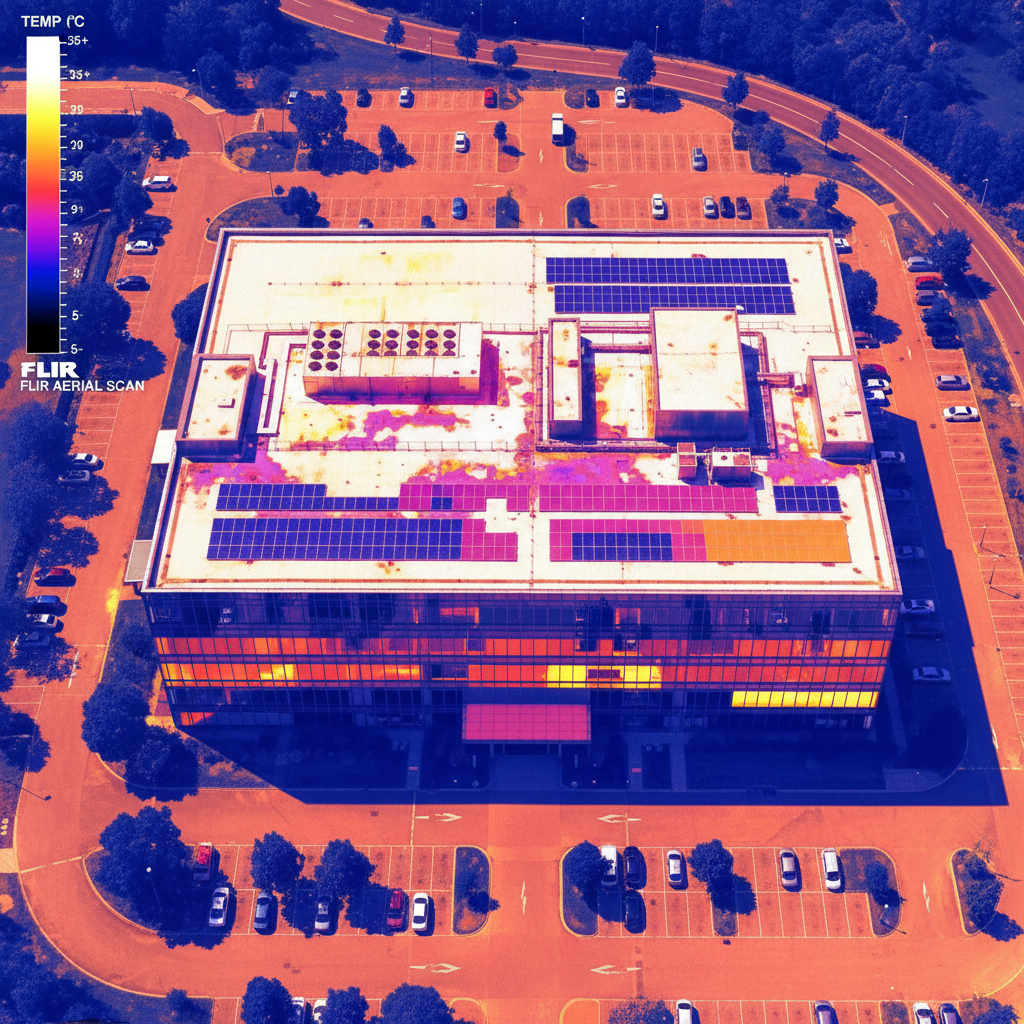
A standard walk-through inspection relies on the inspector’s physical ability to access specific areas, often leaving the highest points of a villa and the space behind heavy stone cladding unexamined. Manual inspections are subjective and limited to what the human eye can perceive, such as surface cracks or obvious damp spots. In contrast, integrating a thermal drone inspection Riyadh home buying workflow provides an objective, data-driven assessment of the entire structure that ground-based methods simply cannot match.
Feature | Traditional Walk-Through | Majed Aerial Thermal Scan |
|---|---|---|
Scope of View | Limited to visible surfaces | Full 360 degree building envelope |
Detection Method | Visual spotting and manual probes | Infrared radiometric sensors |
Roof Accessibility | Restricted by height and pitch | Complete aerial coverage |
Data Output | Descriptive notes and photos | Temperature-mapped digital data |
Time Required | Several hours for manual checks | 15,20 minutes flight time |
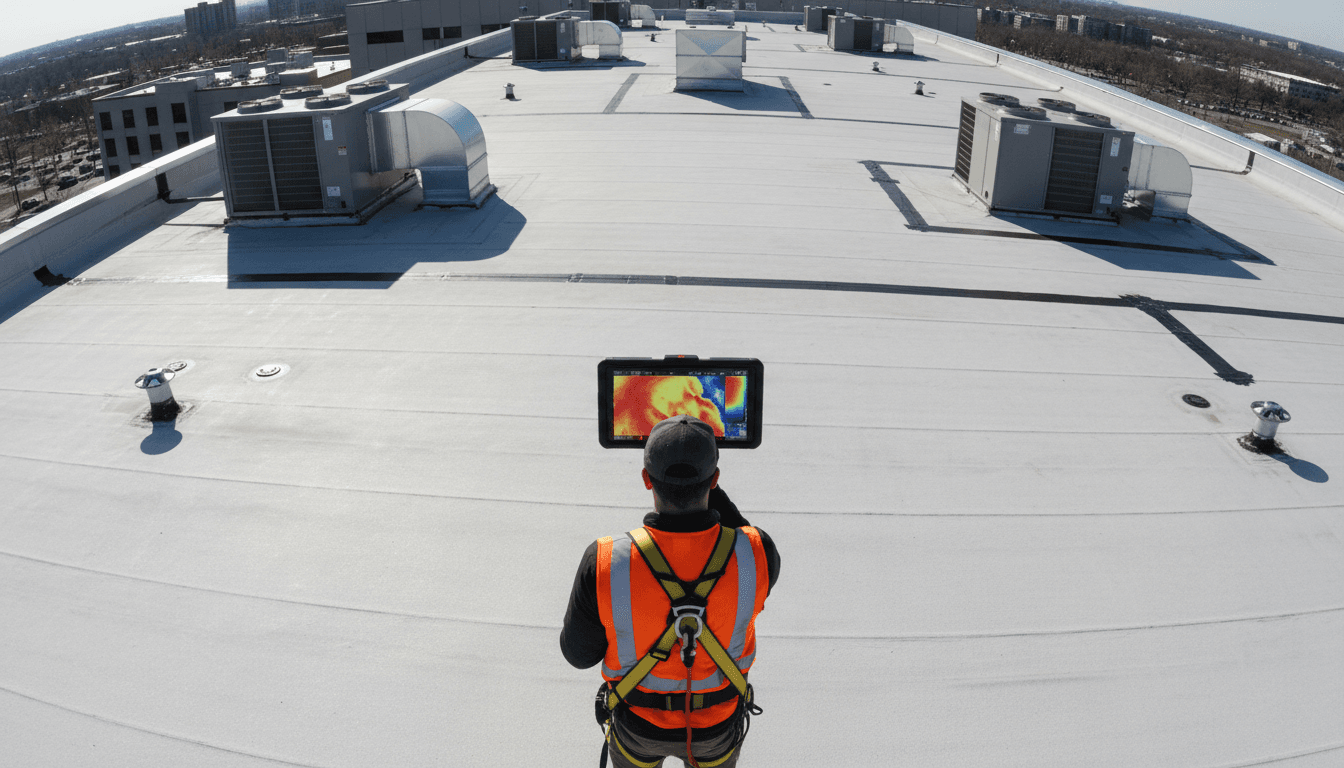
Using thermal aerial services eliminates the safety risks associated with climbing steep roof pitches or navigating complex scaffolding. Our pilots can survey the entire building envelope, from the foundation to the highest parapet, in a fraction of the time required for a manual audit. This efficiency does not compromise detail; instead, it provides a comprehensive heat map of the property. For a prospective buyer, this map serves as a financial forecast, revealing exactly where energy loss will occur before they commit to the purchase. Utilizing a radiometric thermal inspection allows us to quantify these risks, turning a qualitative walkthrough into a precise technical report that highlights future maintenance liabilities.
How Thermal Data Helps During Villa Renovation
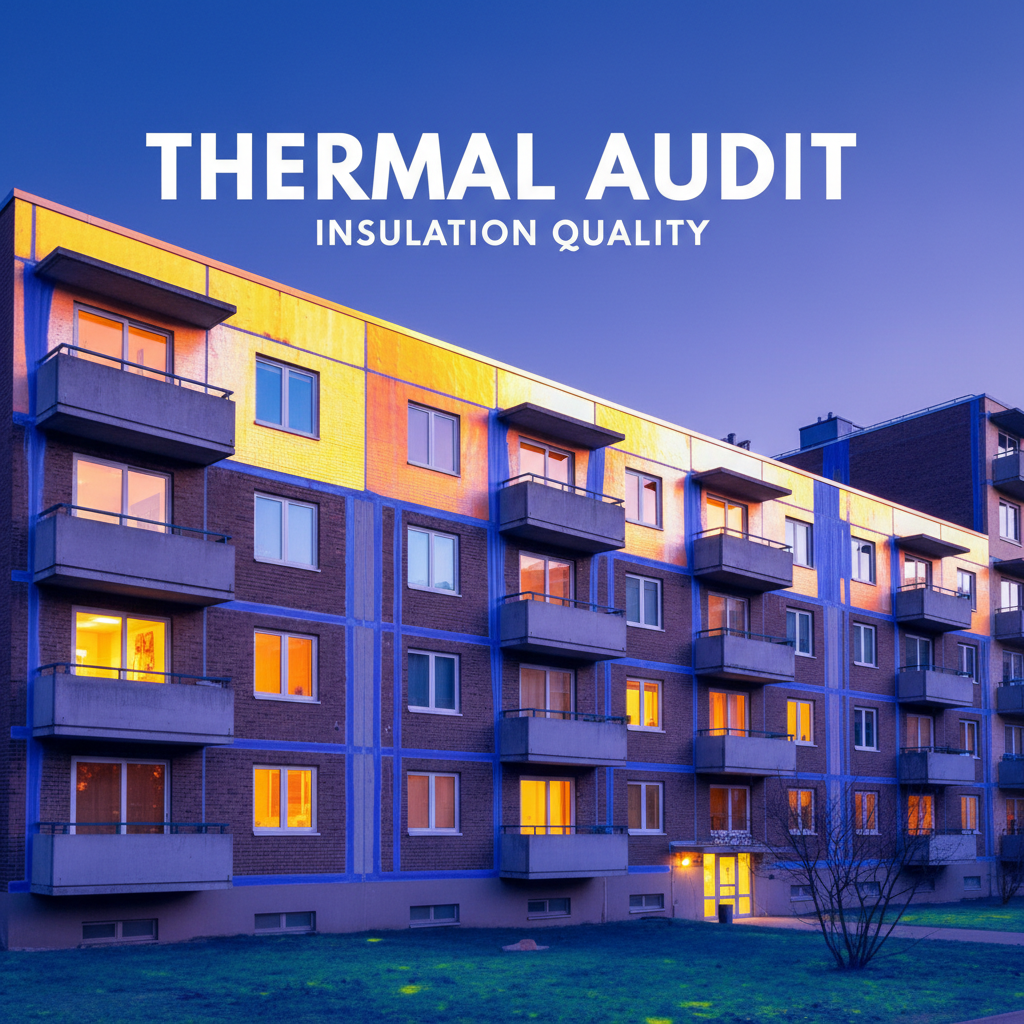
Renovating a Riyadh villa without first conducting a thermal audit often leads to misallocated capital. Owners frequently invest in aesthetic upgrades or expensive glazing when the primary source of heat gain is actually a compromised parapet wall or missing roof insulation. A pre-renovation radiometric thermal inspection provides a diagnostic roadmap, identifying which structural elements are failing before the first contractor arrives on site. By visualizing the building's thermal performance, renovators can prioritize high-impact interventions that offer the best return on investment for long-term cooling efficiency.
Majed Aerial Solutions enhances this diagnostic process by integrating thermal aerial services with 3D photogrammetric modeling. This creates a geographically and thermally accurate digital twin of the villa. Instead of viewing isolated images, a project manager can navigate a 3D reconstruction of the property where the thermal data is overlaid directly onto the geometry. This allows for precise measurements of the surface areas requiring new insulation or specialized coatings. This diagnostic approach ensures that a thermal drone inspection Riyadh home buying strategy provides value far beyond the initial purchase, serving as a baseline for all subsequent structural improvements. If you are ready to baseline your project, contact Majed Aerial Solutions to coordinate a site survey.
The Financial Impact: Lowering Riyadh AC Bills Through Precise Detection
Energy consumption for air conditioning in Riyadh villas often exceeds 70 percent of the total monthly utility bill during the summer peak. A thermal drone inspection Riyadh home buying report identifies exactly where these riyals are being lost to the atmosphere. Research in building science indicates that a mere 10 percent void in insulation does not result in a linear 10 percent loss; instead, it can degrade the effective thermal resistance of the entire wall or roof assembly by up to 50 percent. This creates a massive, unnecessary load on HVAC systems as they struggle to combat constant heat infiltration.
By commissioning thermal aerial services, buyers can calculate a clear Return on Investment (ROI). The cost of a radiometric thermal inspection is a one-time capital expense that frequently pays for itself within the first two summer seasons through reduced energy demand. When compared against a decade of elevated Saudi Electricity Company (SEC) payments, the data provided by Majed Aerial Solutions acts as a financial shield. It protects homeowners from the long-term compounded costs of cooling a structurally inefficient building by allowing for targeted, high-impact repairs.
Choosing a Licensed Professional in Saudi Arabia
Executing a thermal drone inspection Riyadh home buying strategy requires rigorous adherence to Saudi Arabian regulatory frameworks. It is not enough to fly a camera over a property; a professional operator must hold dual licensing from the General Authority of Civil Aviation (GACA) for airspace safety and the General Authority for Survey and Geospatial Information (GEOSA) for the precise capture of geospatial data. In residential Riyadh, obtaining GAMR media authorization is equally vital for legal data collection and privacy compliance.
Hobbyist drones often feature low-resolution thermal sensors that lack the calibration required for a true radiometric thermal inspection. These consumer devices provide vague color gradients rather than the specific, calibrated temperature data points needed to identify a thermal bridge or hidden moisture pocket. Majed Aerial Solutions operates a professional fleet equipped with high-sensitivity FLIR sensors, ensuring that every pixel represents a validated temperature reading. To secure a legally compliant and technically accurate assessment of your property, contact Majed Aerial Solutions to engage our certified thermal aerial services.
Investing in a new home in Riyadh requires a clear understanding of its energy efficiency and long-term cooling requirements. Thermal drone technology offers an unparalleled view of hidden insulation gaps that could otherwise lead to high utility bills. If you want expert help ensuring your future property is sound, we are here to support your journey. Scheduling a comprehensive فحص حراري can provide the data needed to make a confident decision. Our team at Majed Aerial Solutions is dedicated to delivering precision and peace of mind for every homeowner.